Physical
Neurobiology is a cornerstone of physical care. Learn how the brain and nervous system relate to stress, emotion, attention, and rest, alongside appropriate healthcare.
When life feels tangled, you deserve compassionate support—and room to discover what comes next.
Together, we listen carefully, draw on human development and respectfully shared Scriptural wisdom, and find a meaningful way forward.
Online · Hanford · Laton
All ages · Trauma-sensitive care
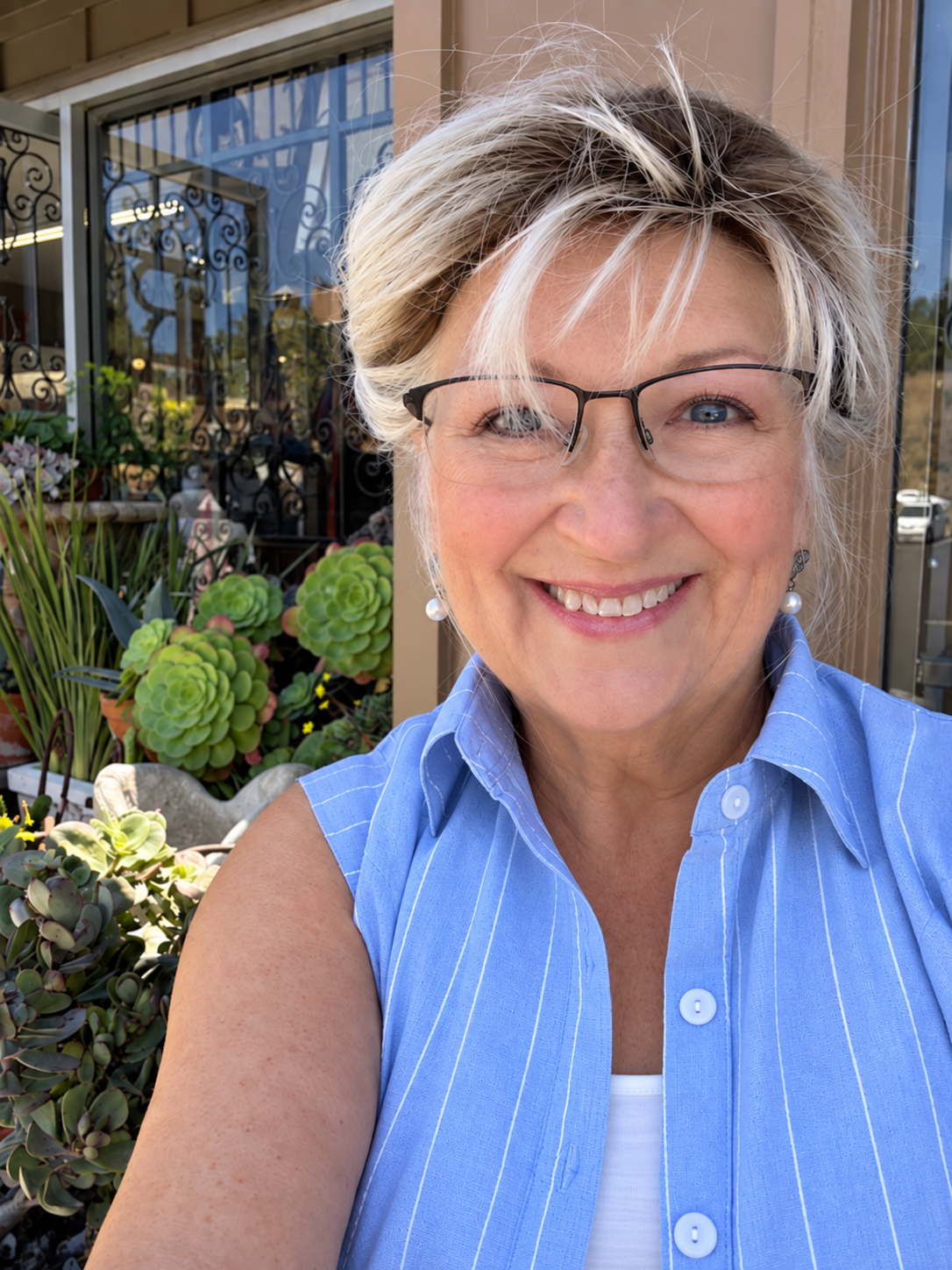
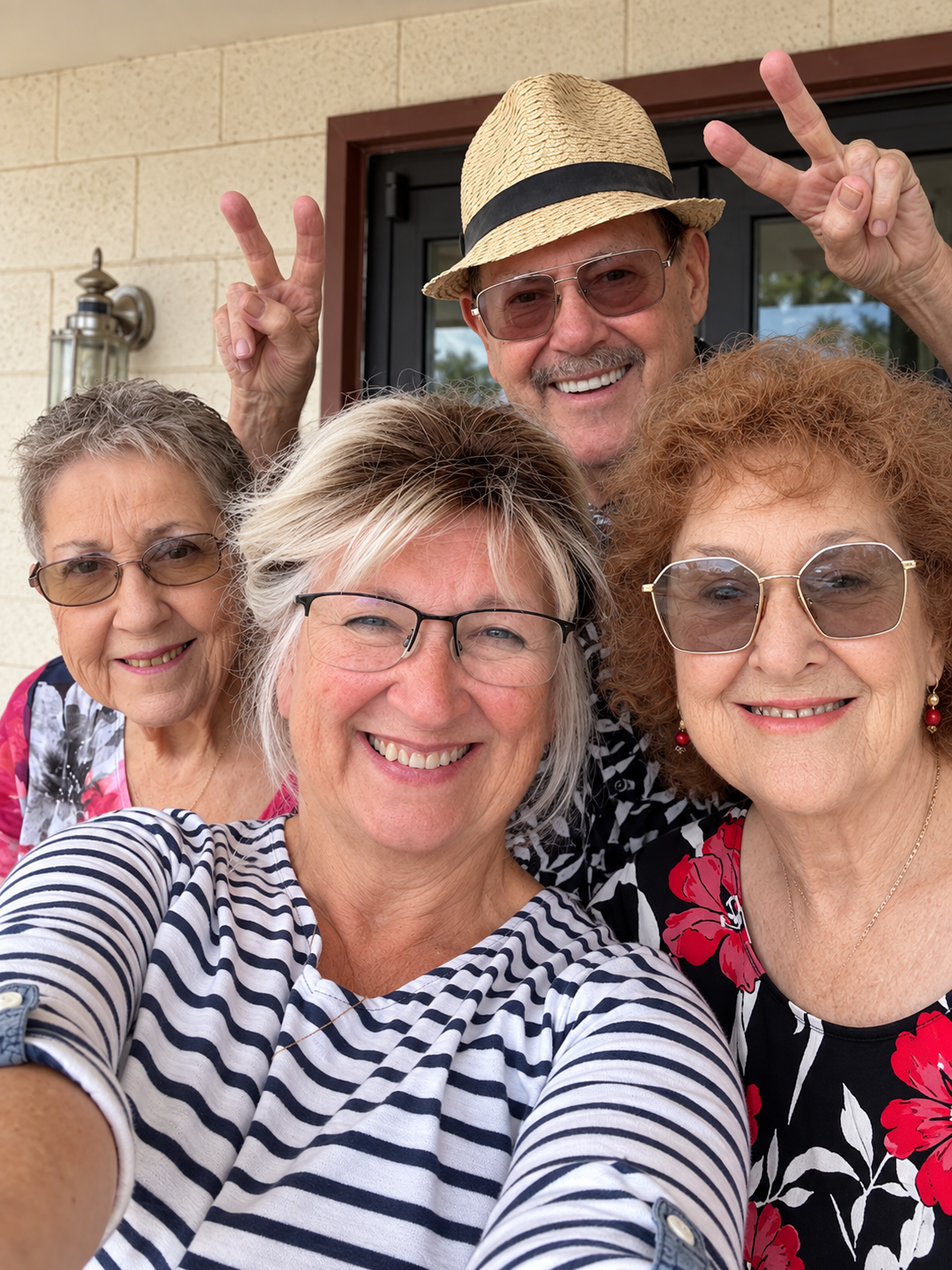
Grief, caregiving, change, or a sense of being stuck: you can bring what life is asking of you.
Your body, relationships, inner life, and circumstances all belong in the conversation.
The purpose is understanding that opens possibilities—and support for taking a next step that is yours.
Meet Dr. LoriPhysical, relational, and spiritual realities belong in the same conversation. So do thoughts, feelings, resources, and the systems shaping daily life.
Neurobiology is a cornerstone of physical care. Learn how the brain and nervous system relate to stress, emotion, attention, and rest, alongside appropriate healthcare.
Explore connection, belonging, responsibilities, boundaries, and the care you give and receive. Make room for yourself within a life shared with others.
Attend to meaning, faith, doubt, hope, and what you hold sacred. Scriptural wisdom is shared respectfully. Questioning faith is explored and honored, with no pressure to reach a predetermined conclusion.
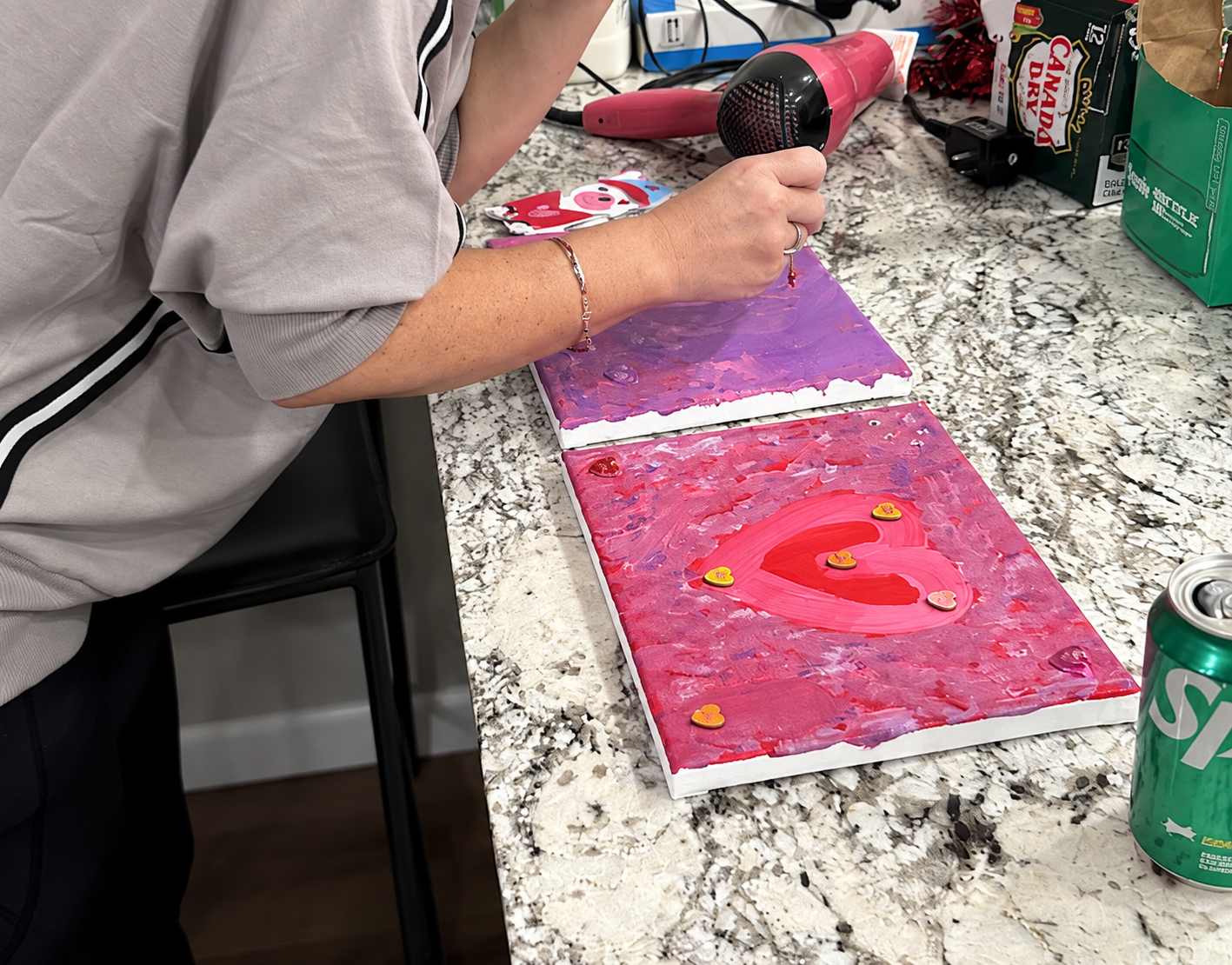
All ages are welcome, with support adapted to development, communication, and circumstances.
Play can be conversation. Drawing, storytelling, and creative activities offer ways to express what words cannot yet hold.
Trauma-sensitive care honors choice, trust, and your pace. You may pause or pass; painful retelling is never required.
Caregiver involvement and boundaries are agreed before working with children. These are supportive educational experiences, not play therapy or trauma treatment.
“What is wrong with me?” can become “What needs understanding, care, and a next step?”
Grace makes room for honesty, responsibility, and new possibilities. You do not have to earn compassionate care by having life figured out.
Christian faith and Scriptural wisdom inform my work. Your beliefs and freedom are honored. Questioning faith is welcome, without shame or pressure.
Understanding opens possibilities. What next step feels possible for you?
A conversation, a creative experiment, a boundary, or rest: movement respects your circumstances and pace.
Hear the story with care, including what has been hard to say.
Understand your situation through physical, relational, and spiritual lenses.
Identify what matters and where you have room to choose.
Explore assumptions and imagine possibilities with curiosity and grace.
Choose a realistic next step and the support that can help you take it.
A responsive framework, not a fixed curriculum. The goal is growing agency: greater freedom to understand, choose, and act.
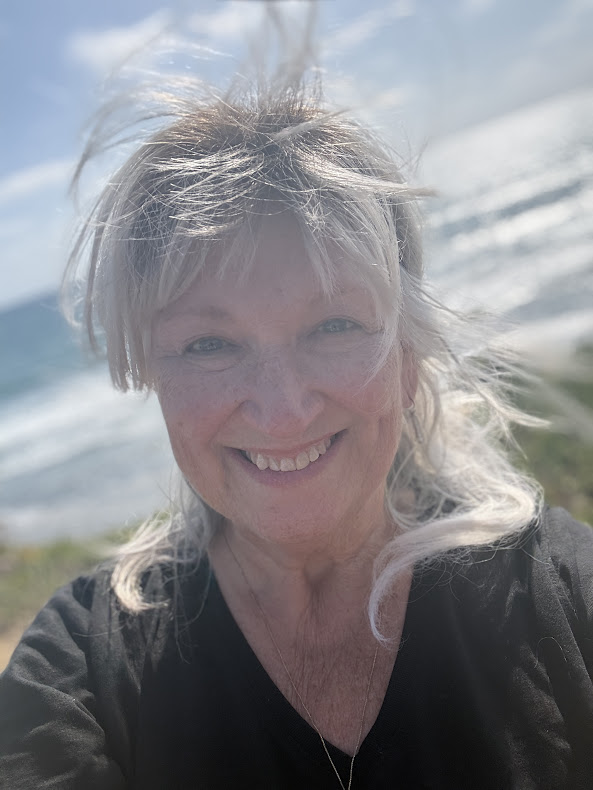
Six sessions over six weeks to understand what keeps you stuck and choose meaningful next steps. Online · Hanford · Laton.
Explore individual coaching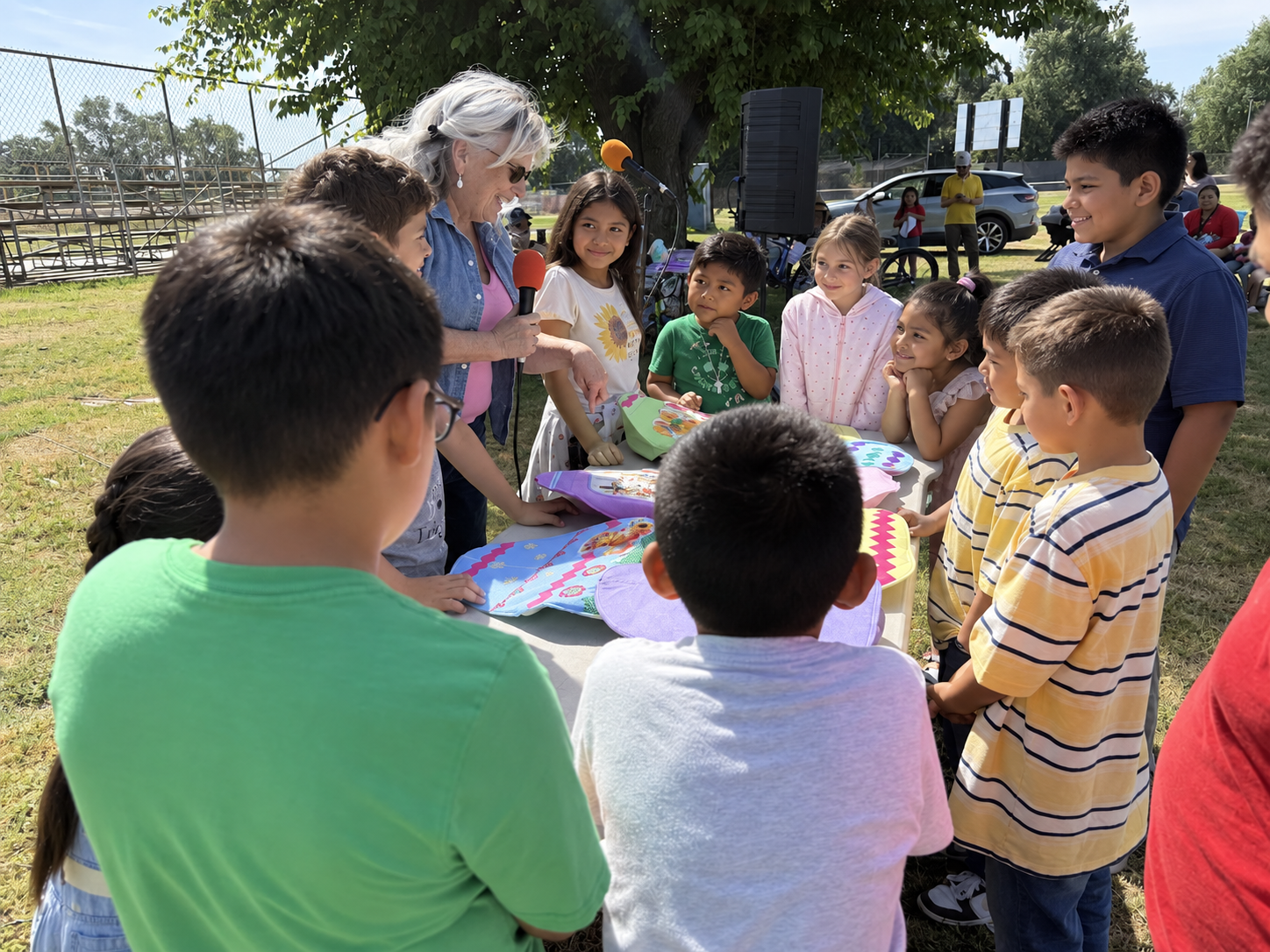
Education, honest conversation, and shared discovery. Learn together, practice compassion, and consider what growth might look like in daily life.
Explore group experiencesMake room for sustainable leadership, burnout reflection, and purposeful change—with attention to people and the conditions in which they work.
Bring Springs to your organization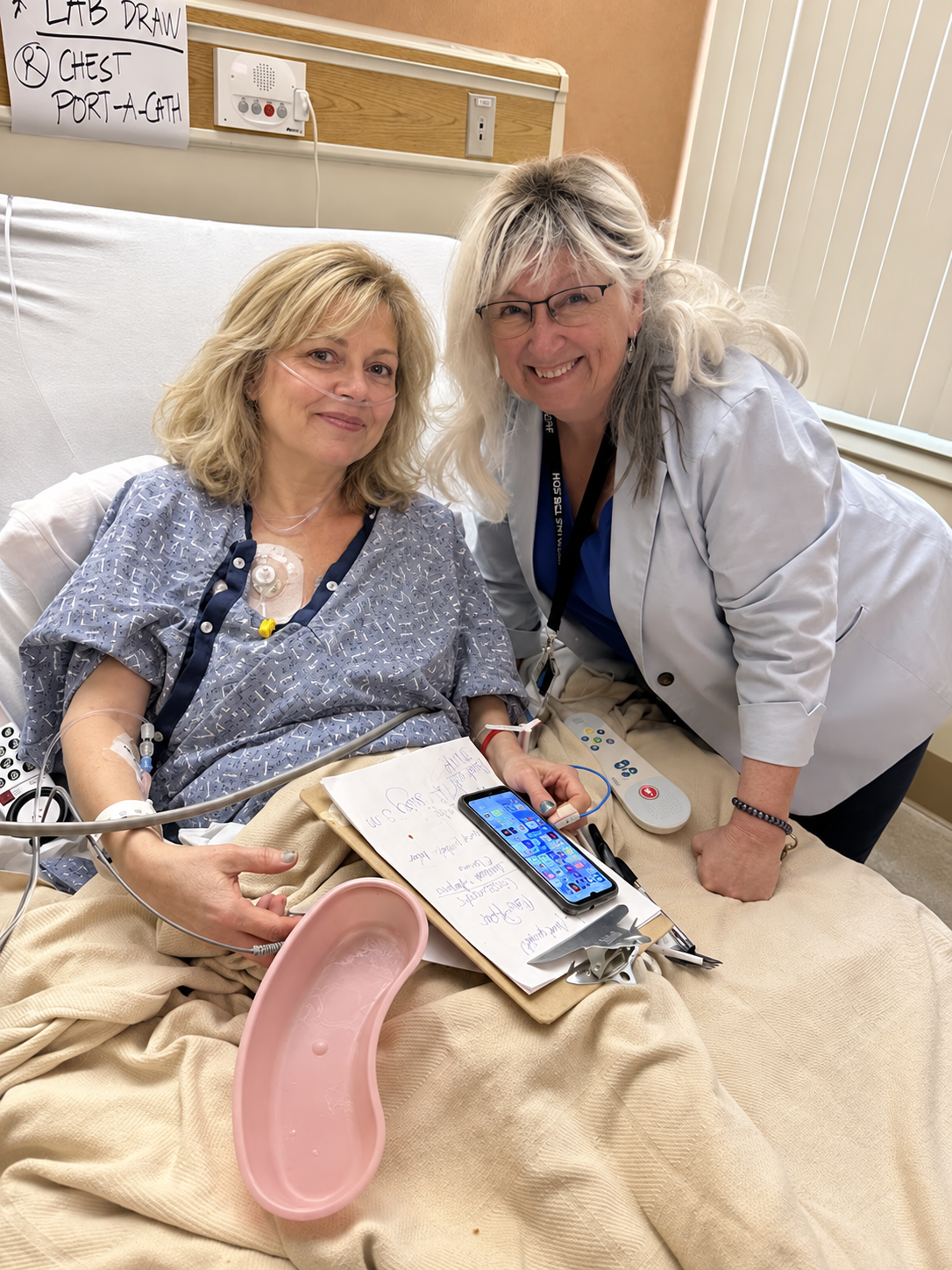
Compassionate attention to the humanity and inner life of both the person receiving care and the person providing it.
Explore the healthcare workIn a two-week diary study, people reported greater life satisfaction on days they felt more understood.
Across four experiments, self-compassion after a setback supported motivation to improve. In one, participants spent more time studying after an initial failure.
In a brain-imaging experiment, labeling emotions in negative images was associated with reduced amygdala activity and increased activity in part of the prefrontal cortex, compared with other tasks.
Creativity makes room for another possibility when familiar answers no longer serve.
Healing honors the work of tending what hurts and finding greater wholeness. Here, it names a hope and a direction—not a promise to cure illness.
Growth means learning, choosing, and practicing a meaningful way forward. It includes the freedom to become more fully yourself while caring for others.
More about my approachFinances should not limit access to meaningful support and growth. Springs is developing standard-rate, reduced-rate, and scholarship-supported options that respect dignity and sustain the work.
Explore access & pricingBring the question. Bring the uncertainty. Begin where you are.
Start a conversationSix individual sessions over six weeks. Compassionate support to understand where you are, explore what keeps you stuck, and take meaningful steps forward.
A loss, a changing role, retirement, or a question of faith can unsettle familiar answers. You do not need to name the whole problem before beginning.
A clear beginning and a considered ending, with room for the person in between.
We listen, locate, discern, reframe, and move—attending to your body, relationships, emotions, and spiritual concerns as they arise.
Education, creative questions, and respectfully shared Scriptural wisdom can open a new perspective. We translate insight into a realistic action or experiment.
We close with integration: what you have learned, what you will carry forward, and what support you need next.
These are movements within conversation, not six prescribed lessons. Follow-up is discerned together.
The aim is greater clarity, self-compassion, freedom to choose, and purposeful movement. Grace makes room to acknowledge what is hard and take responsibility for what is possible. Your decisions remain yours.
Springs welcomes all ages, online and in person in Hanford and Laton. Conversation, play, storytelling, and creative activities are adapted to age and development. For children and young people, caregiver involvement and appropriate boundaries are discussed before beginning.
Care includes choice, a manageable pace, and permission to stop or decline. You do not have to recount distressing experiences. This describes how I approach support; it is not a claim to provide trauma treatment or play therapy.
No. My practice is rooted in Christian faith, and I draw on Scriptural wisdom with respect for your beliefs and choices. Questioning faith is explored and honored. You can bring doubt, changing beliefs, or a wish to reconsider what you have been taught, without pressure toward a predetermined answer. You can disagree or decline a spiritual exercise; shared belief is not a condition of care.
No. Springs provides coaching, facilitation, education, and spiritual reflection. It does not diagnose or treat mental-health conditions or replace licensed medical, mental-health, or addiction care. When needs fall outside this scope, a referral to an appropriate licensed professional is encouraged.
The closing conversation considers what would serve you next. Follow-up sessions may be scheduled as discerned; continuing is not presumed.
Rates and supported-access options are being developed. The commitment is to discuss cost clearly before an engagement begins. See Access & Pricing for the guiding philosophy.
Learn, create, and share life with others. Compassionate conversation can open new understanding and meaningful change.
Explore a group experienceGroups are central to my work: spaces to be heard, learn from one another, and explore a way forward.
A story, an idea, or a creative activity can begin the conversation. Share at your own pace and leave with something useful to try.
Group themes may include grief, caregiving, transitions, burnout, discernment, aging, identity, relationships, meaning, vocation, recovery, and change.
Faith and Scriptural wisdom can shape a group as agreed with its host and participants. Religious agreement is never required.
We agree on the people, purpose, and format together. Groups can meet in community, education, healthcare, workplace, or church settings.
Educational or recovery-related groups provide reflection and support within a nonclinical scope. They do not replace treatment, crisis care, or licensed counseling.
Talk about a groupThoughtful coaching and facilitated reflection around burnout, sustainable leadership, transition, and the conditions in which people work.
Bring Springs to your organizationDepletion asks us to examine workload, expectations, communication, culture, and the room people have to act on their values.
Together, we identify personal choices, shared responsibilities, and realistic changes to the conditions of work.
Workshops, retreats, coaching, or facilitated conversations: we agree on the purpose and scope together. Faith and Scriptural perspectives are discussed with the host, respecting religious diversity and freedom.
Consider changing responsibilities, communication, values, vocation, and the human experience of organizational change.
Create reflective space to examine depletion, meaning, expectations, and possible next steps within the actual conditions of work.
This is educational and reflective work. It is not organizational diagnosis, psychotherapy, or a substitute for changes that require leadership authority.
Discuss your organization’s needsThe person receiving care has an inner life. So does the person providing it. Both deserve attention.
Here, “soul” makes room for meaning, identity, relationships, hopes, fears, values, and spiritual or existential concerns. It does not require a particular religious belief.
Start a healthcare conversationCare is personal
Making room for humanity in the midst of illness, uncertainty, and care.
Illness and uncertainty raise deeply human questions: What matters now? Who am I as life changes? Where do I find strength?
There is room for hopes, fears, relationships, beliefs, and what is still hard to put into words.
Attention to inner life belongs alongside appropriate clinical care. It does not replace treatment or make medical decisions for the person.
Grief, moral strain, and repeated loss can sit alongside compassion and commitment.
Caregivers need room to be human, ask for support, and consider what needs to change.
That reflection includes the conditions of care. Exhaustion should not automatically become an individual’s failure to be resilient.
This work draws on my advanced-practice board-certified chaplaincy, hospice and palliative care specialization, education, spiritual care, and experience accompanying people through illness, loss, and transition.
Healthcare partnerships may include facilitated reflection, education, caregiver support, and spiritual care, with responsibilities and boundaries agreed in advance.
My Christian grounding informs respectful care across beliefs. Prayer and Scripture are offered when welcome; honesty and care never depend on religious participation.
Explore a healthcare engagementMy personal motto—and the possibility I look for in complicated, changing seasons.
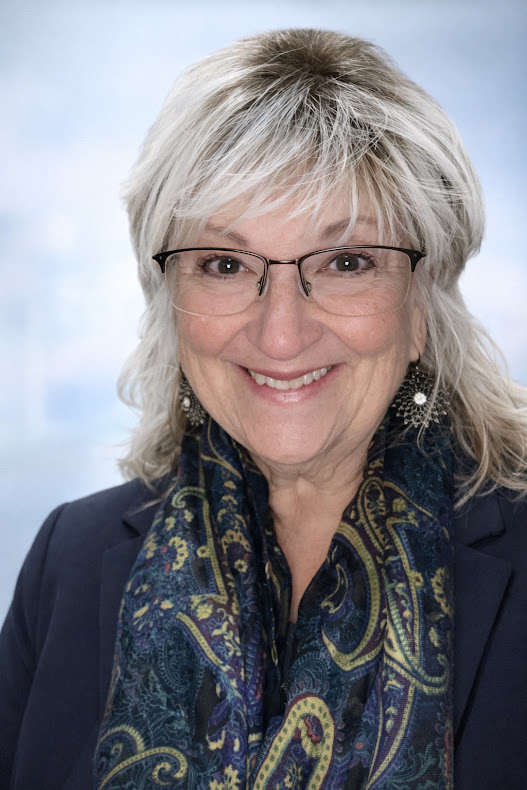
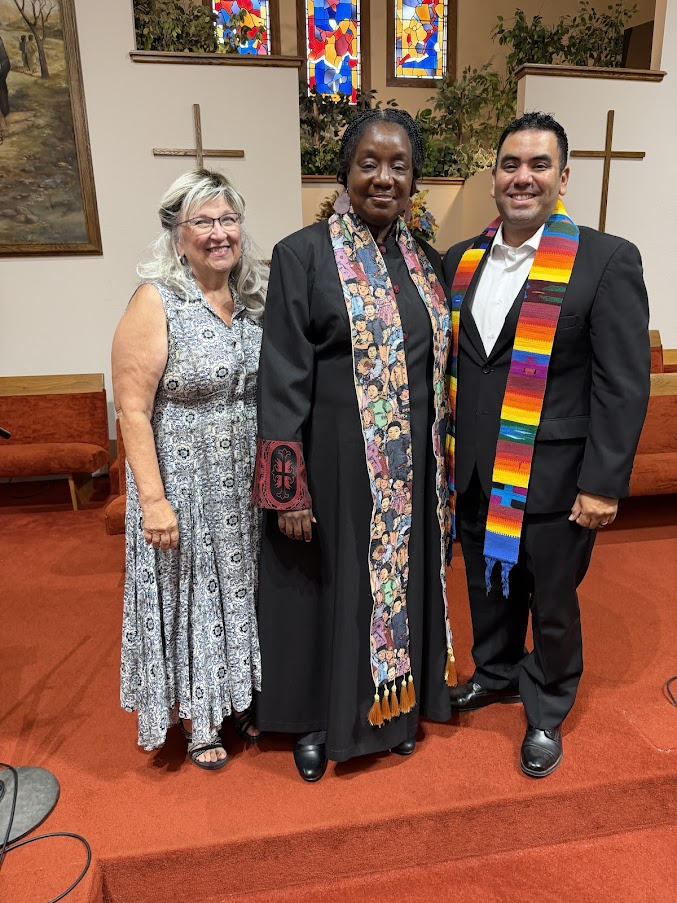
I’m Dr. Lori Niles—educator, coach, advanced-practice board-certified chaplain, and ordained minister. I help people understand what they are carrying and discover what comes next.
That begins with listening, useful questions, shared knowledge, and room for creativity.
I bring physical, relational, and spiritual understanding together. Neurobiology anchors physical care; trauma-sensitive support and play as conversation help me meet people across the lifespan.
Compassionate care of self and others belongs at the heart of the work.
Christian faith shapes my life and work. Scripture invites me toward listening, love of neighbor and self, grace, and freedom.
Scriptural wisdom belongs in conversation with lived experience and the sciences, alongside practical care for grief, illness, and injustice.
Bring your convictions, doubts, and changing beliefs. Questioning faith is explored and honored. Your freedom to reconsider and choose matters.
Listening, love, and freedom: James 1:19 · Mark 12:31 · Galatians 5:1, 13
Insight can loosen a stuck place. Together, we ask what becomes possible now.
Try something new, tend a relationship, ask for help, or choose rest. The goal is growing freedom and agency.
Grace makes room for understanding, responsibility, and possibility.
My work draws on human development, education, cognitive coaching, brain health, grief and loss, spiritual care, personality theory, and decades of experience accompanying people through significant transitions.
My experience includes teaching, leadership, facilitation, grief work with adults and children, pastoral care, and palliative and end-of-life care.
My doctorate is in education. My preparation informs this work; it does not imply licensure to provide psychotherapy or medical treatment.
Start a conversationAs a bivocational pastor and church planter, I support myself through professional work while planting and nurturing church community.
Springs is part of that self-support. Your fee pays for your service; church attendance, shared faith, and ministry participation are never required.
Explore more of my community life and teaching:
Springs website: www.drlorin.coach
Email: drlorin.coach@gmail.com
Available: Online · Hanford · Laton
Finances should not limit access to meaningful support and growth.
The access model is being developed around standard-rate, reduced-rate, and scholarship-supported sessions. The intention is to widen access while keeping the practice sustainable.
You should be able to understand the cost before agreeing to work together and ask about support without having to tell a painful story to prove your worthiness.
The conversation should clarify the total cost, payment arrangements, cancellation terms, and any supported rate that is available. Support should be discussed privately and respectfully, with no promise of funded places before funding exists.
Rates, scholarship availability, and booking arrangements are not yet finalized. Contact Dr. Lori to discuss current options.
Ask about access optionsReadings, creative questions, and practical exercises for compassionate care, spiritual growth, and finding a way forward.
A brief reflection on understanding the question in front of you and choosing one realistic next step.
Read the reflectionA simple reflection tool shaped by Listen, Locate, Discern, Reframe, and Move.
Open the reflection toolExplore the research on compassion, neurobiology, and change
These resources invite learning, reflection, and meaningful action. Scriptural wisdom is clearly identified and shared respectfully; questions and different perspectives are welcome.
A reflection from Springs · Dr. Lori Niles
“What now?” can be an enormous question. It may arrive after a loss, at the end of a familiar role, or in a season when the old answers no longer seem to fit.
Sometimes that question contains several others. What has changed? What still matters? What do I need to understand before deciding? What is actually mine to choose?
There is no requirement to answer all of them at once.
Try describing what is happening without immediately explaining what you should do about it. Name the circumstances, the responsibilities, and the uncertainties. Make room for what you are feeling, too.
You might notice a difference between a fact and an expectation. “My role has ended” is different from “I should already know who I am without it.” Both deserve attention, but they ask for different kinds of reflection.
A meaningful next step does not have to settle the rest of your life. It might be a conversation, a piece of information, a request for support, or time set aside to consider a possibility.
It can also be a decision to pause deliberately while you gather what you need. A pause with a purpose is different from an answer forced before you are ready.
What would help me understand this situation a little more clearly before I decide what comes next?
You remain the person who chooses. The work of reflection is to make that choice better understood and more honestly your own.
Take these questions at your own pace. Write a few words, think quietly, or use them to begin a conversation. You may skip any question.
Optional spiritual reflection: where might Scriptural wisdom invite you toward love, freedom, or a faithful next step? You may also reflect from your own beliefs.
This tool supports education and reflection. It is not an assessment or treatment. If a question feels overwhelming, you can stop and seek support appropriate to your needs.
Understanding, connection, and compassion matter. Research helps inform how we listen, reflect, and move forward together.
In a two-week diary study, people reported greater life satisfaction and fewer physical symptoms on days when they felt more understood by others.
Lun, Kesebir & Oishi (2008) · On Feeling Understood and Feeling Well
Across four experiments, self-compassion after difficulty supported motivation to improve. Findings included greater motivation to make amends and more time studying after an initial failure.
Breines & Chen (2012) · Self-compassion increases self-improvement motivation
In a brain-imaging experiment, labeling emotions in negative images was associated with lower amygdala activity and greater activity in part of the prefrontal cortex.
Lieberman et al. (2007) · Putting feelings into words
Careful listening makes room for your experience. Education offers language for what is happening. Compassion and grace support honest responsibility and the freedom to choose a next step.
Springs brings these commitments into conversation with neurobiology, human development, creativity, and respectfully shared Scriptural wisdom.
We ask: What are you understanding more clearly? What feels possible now? What support would help you move?
You can start with a question, a possible group, or something you hope to explore in your organization.
A short description is enough. There is no need to include medical details or a long personal history in an initial inquiry.
Websitewww.drlorin.coach
Available online and in person in Hanford and Laton.
All ages · Trauma-sensitive support
The email link opens your email app.